10 Best Exercise Bikes of 2026, From Folding Uprights to Smart Spin Bikes
Most people buy the wrong exercise bike for one reason: they shop for the screen and forget the room it has to live in. After weeks with UK roundups, spec sheets and amazon.co.uk listings, my pick for the best exercise bike for most homes is the Yesoul S3, a quiet belt-drive spin bike with 100 resistance levels and Zwift and Kinomap support, sitting well below the connected studio bikes on cost.
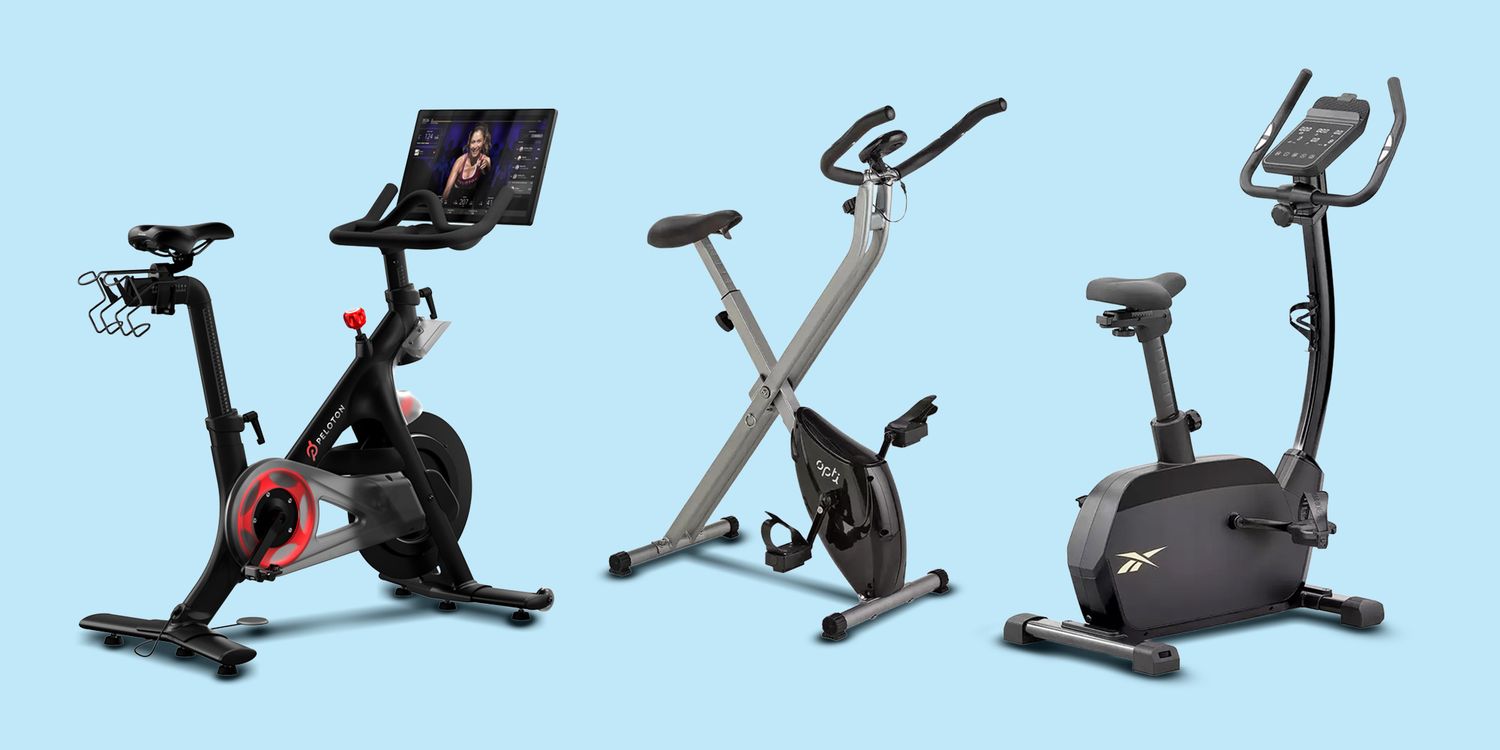
One thing up front: I haven't ridden all ten. This is a research-built list, the Yesoul is a new listing with little owner history, and several picks are judged on their listings alone. Want instructor classes on a big screen? Look at the Peloton Cross Training Bike or the NordicTrack. If floor space is the real problem, start with the folding Xterra.

- Smooth resistance feel: Magnetic resistance runs 0 to 100; fine steps between easy and hard.
- Adjustable rider fit: Padded seat adjusts for riders from 150cm; bars include armrests too.
- Clear ride metrics: The Yesoul app syncs distance and time; Zwift and Kinomap also work.
- Stable frame build: Steel frame with a 7.5 kg flywheel; press the knob for an emergency stop.
- Handy workout extras: Small dumbbells sit behind the saddle; handy for mixing in arm work.
- Home-friendly footprint: Listed at 101 by 51cm; fits the corner of a spare room.
- New listing: Very little owner history yet. Spec sources disagree on flywheel weight.

- Smooth resistance feel: 32 computer-controlled magnetic levels; changes happen at the touch of a button.
- Adjustable rider fit: Gel seat moves up and down plus fore and aft; handles adjust easily.
- Clear ride metrics: Six-window LED console with pulse grips; 28 programmes including heart-rate modes.
- Stable frame build: Upright frame listed at 35kg; self-levelling pedals with straps keep feet planted.
- Handy workout extras: Tablet holder, bottle holder and Bluetooth; pairs with Zwift and Kinomap.
- Home-friendly footprint: Transport wheels on the base; easy to roll aside after a session.
- Upright posture: No real out-of-the-saddle riding. Spin fans may find it tame.

- Smooth resistance feel: Auto resistance follows instructor cues; you ride, the bike changes the load.
- Adjustable rider fit: Seat and handlebar positions adjust; the screen tilts for different heights.
- Clear ride metrics: 23.8-inch HD touchscreen swivels round; useful for off-bike strength and yoga.
- Stable frame build: Carbon steel frame built for hard sessions; heavy enough to stay put.
- Handy workout extras: Movement Tracking Camera counts reps for you; Custom Workout Generator plans sessions.
- Membership cost: Most classes need a Peloton membership. That's a separate ongoing cost.

- Smooth resistance feel: 24 levels of digital resistance; recovery spins through to hard intervals.
- Adjustable rider fit: Two-sided pedals take SPD cleats or trainers; Toe clips and straps included.
- Clear ride metrics: Pivoting touchscreen on the listing; turn it for off-bike workouts.
- Stable frame build: Heavy, mains-powered studio frame; built for climbing efforts on the incline.
- Handy workout extras: Listing highlights incline and decline training; Strava and Garmin sync through iFIT.
- Which model: The listing covers three bikes. Check the exact model before ordering.

- Smooth resistance feel: 10kg flywheel with five magnetic plates; stepless knob for quick changes.
- Adjustable rider fit: 4-way adjustable seat and 2-way bars; multiple grip positions on the handlebar.
- Clear ride metrics: LCD shows time, speed, distance and RPM; pulse sensors on the bars.
- Stable frame build: Alloy steel frame with aluminium parts; belt drive keeps things quiet.
- Handy workout extras: Device holder, bottle cage and dumbbell rack; Bluetooth pairs with SunnyFit.
- No editorial backing: No UK roundup covered this exact model. Judge it on the listing.

- Smooth resistance feel: Micro-adjust resistance from 0 to 100; small steps suit gradual progress.
- Adjustable rider fit: Fits riders from 142cm to 188cm; 4-way seat and 2-way handlebar.
- Clear ride metrics: LED display tracks time, speed and distance; the Merach app logs sessions.
- Stable frame build: Dual-triangle steel frame with a 6kg flywheel; steady for its size.
- Handy workout extras: Spring seat cushion and double bottle holder; game riding in the app.
- Resistance type: Sources disagree on magnetic versus friction. Check the listing before buying.
- Light flywheel: The 6kg flywheel carries less momentum. Hard efforts feel less smooth.

- Smooth resistance feel: Eight levels on a large dial knob; simple to change mid-ride.
- Adjustable rider fit: Large contoured seat with a back pad; multi-grip padded handlebars too.
- Clear ride metrics: Small LCD shows speed, distance, time and pulse; runs on AA batteries.
- Stable frame build: Solid X-frame design for a folder; fine for steady home rides.
- Handy workout extras: Folds flat when you're done; stores behind a door or sofa.
- Eight levels only: Fit riders may run out of resistance. Better for gentle steady rides.
- Tiny display: The LCD window is small. Reading it mid-ride takes a squint.

- Smooth resistance feel: 18kg flywheel with 1% to 100% magnetic load; smooth momentum under hard efforts.
- Adjustable rider fit: Wide seat and bars are both 4-way adjustable; suits most of the family.
- Clear ride metrics: Monitor shows load, watts and RPM; more data than most budget consoles.
- Stable frame build: Thick frame tubes and levelling knobs; rock steady on uneven floors.
- Heavy to move: A big flywheel means a heavy bike. Plan for stairs carefully.
- Mixed capacity figures: The listing gives conflicting capacity numbers. Don't rely on either.
- Two versions: The listing covers X2 and X2PRO. Check which one you're buying.

- Smooth resistance feel: 16 magnetic resistance levels; light recovery rides through to harder sessions.
- Adjustable rider fit: Extra-padded seat adjusts for height and depth; comfortable upright posture.
- Clear ride metrics: LCD console with 13 built-in programmes; Bluetooth for Zwift and Kinomap.
- Stable frame build: Frame listed at 26.5 kg with transport wheels; easy to reposition.
- Handy workout extras: Low-impact upright position; a gentle option for newer riders.
- Thin coverage: No UK roundup backing found. This pick rests on the listing.
- Fewer levels: Sixteen levels versus 32 on the Reebok. Less fine-tuning available.
- Basic console: Plain LCD rather than a touchscreen. Fine, but nothing fancy.

- Smooth resistance feel: 32 levels via an indexing knob; clicks give a clear sense of change.
- Adjustable rider fit: Aero handlebars and a vented seat adjust; performance or comfort setup.
- Clear ride metrics: 21.5-inch HD touchscreen rotates 180 degrees; Classes play right on the bike.
- Stable frame build: Foot guards on the stabiliser welds; stays planted during standing climbs.
- Handy workout extras: SPD-compatible pedals with toe cages; two bottle holders and power ports.
- Locked-in classes: The built-in screen favours Echelon's own classes. Membership costs extra.
- Needs a socket: Corded electric power. Place it within reach of a wall socket.
Other Exercise Bikes Worth Considering

- Stepless resistance from 0 to 100.
- Supplied 80% pre-assembled with tools.
- Kinomap support and a tablet holder.
- No flywheel weight listed.
- Little-known brand with no editorial backing.

- Continuous 0 to 100% resistance adjustment.
- Tool-free quick-release seat and bar changes.
- Listing says 80% of assembly is done.
- Felt-pad friction brake, not magnetic.
- No editorial coverage found.

- Belt drive keeps the noise down.
- Press the knob down to stop quickly.
- Phone and bottle holders included.
- Manual friction resistance.
- No app connectivity listed.

- Listed at 14kg, so easy to move.
- Folds away after a ride.
- Hand-pulse sensors and foot straps.
- Very light 1.2kg flywheel.
- Smaller frame than the Xterra.
In-Depth Reviews of Our 10 Exercise Bike Picks
What each bike's listed specs mean in a real UK home, where each one falls short and who it suits. Several lower picks have no editorial backing, and I say so where that's the case.
#1 · Editor's Choice
Yesoul S3 Magnetic Belt Drive Exercise Bike for Home
For most people, the S3 gets the basics right. Belt drive and magnetic resistance keep it quiet, the knob runs from 0 to 100 for small changes, and pressing it down stops the 7.5 kg flywheel in an emergency. Bluetooth links to the Yesoul app, and the listing names Zwift and Kinomap too, so you aren't tied to one platform, while the 101 by 51cm frame would fit the corner of my spare room. The weak spot is history rather than hardware, though: it's a new listing with almost no owner track record, and one spec sheet quotes a lighter flywheel than the listing does, so I've gone with the listing. Against the JLL, it trades flywheel mass for wider app support.
The verdict: The best all-round buy for most homes, as long as you're happy with a newer listing.
#2 · Runner-Up
Reebok FR30 Upright Exercise Bike with LED Touchscreen Console
If you've never clipped into a spin class and have no plans to, this is the one I'd point you to. The FR30 is a proper upright, so you sit back on a gel-cushioned seat rather than hunching over the bars. Resistance is 32 computer-controlled magnetic levels, changed by button, and the console carries 28 programmes, including three heart-rate modes driven by the pulse grips. Grip sensors are fine for pacing, but I wear a chest strap at the gym precisely because grips get erratic once your hands are sweaty, so treat any reading as a training guide, not medical data. It also appeared in more than one roundup, which counts for something at this level.
The verdict: The upright I'd buy for comfortable, sit-back riding with proper programmes built in.
#3 · Premium Pick
Peloton Cross Training Bike for Home
You notice the screen before anything else. The Cross Training Bike carries a 23.8-inch Full HD touchscreen that swivels, so the same machine runs a spin class, then turns round for strength, yoga or Pilates on the floor. Auto resistance follows the instructor's cues, and the Movement Tracking Camera counts reps during off-bike sessions. The costs are the problem: most of that content sits behind a Peloton membership, a separate ongoing cost, and the listing itself warns it's extremely heavy to move and it needs a mains socket. Against the NordicTrack, you give up incline training for a slicker class library and stronger backing from UK roundups.
The verdict: The premium pick if classes are the reason you're buying, and you'll pay the membership.
#4 · Best Incline Training
NordicTrack S22i, X24 and Studio 24 Smart Exercise Bikes
First things first: this listing isn't one bike. It offers a choice of the S22i, X24 and Studio 24, so check exactly which model you're adding to the basket before you pay. Across the range, the listing highlights 24 levels of digital resistance, incline and decline training, a pivoting touchscreen and two-sided pedals for SPD cleats or trainers. Workouts run through iFIT, which syncs with Strava and Garmin, and that membership is its own cost. Next to the Peloton, the draw is hill simulation, a real draw if you're training for a sportive in the Dales.
The verdict: Worth it for incline training. Just confirm which of the three models you're buying.
#5 · Best Value
JLL SB100 Quiet Spin Bike with 10kg Flywheel
I'll be straight: I found no UK roundup covering this exact JLL model, so this pick rests on the listing and the spec sheet. A 10kg flywheel, belt drive and five magnetic plates give stepless resistance from a tension knob, and pressing the knob stops the wheel. The listed floor footprint is 96 x 54cm, which makes it one of the better options here for small spaces. One niggle is that the spec data lists 25 levels while the listing says stepless, so ignore the number. Compared with the Yesoul S3, you get a heavier flywheel and fewer app options.
The verdict: A solid listing-based spin bike for small rooms, with no reviewer backing to lean on.
#6 · Best Budget
Merach S26B1 Smart Training Exercise Bike for Home
Look, if the budget is tight and you still want an app on a stationary bike, start here. The Merach pairs a 6kg flywheel with a multi-slot belt drive and micro-adjust resistance from 0 to 100, and the frame is a dual-triangle design that should stay steady under normal efforts. It fits riders from 142cm to 188cm, with a 4-way seat and 2-way handlebar. My reservation is that one data source calls the brake magnetic and another calls it friction, so check the listing before you order, and a lighter flywheel won't carry momentum like the 18kg wheel on the Joroto.
The verdict: The cheapest way into app-guided riding here, once you've checked the resistance type.
#7 · Best Folding
Xterra Fitness FB350 Folding X-Frame Upright Exercise Bike
If your exercise bike has to live behind a door between rides, this is the shape you want. The FB350 is an X-frame folder with a large contoured seat and a back pad, which makes it more forgiving for older riders or anyone who finds a spin saddle punishing. Resistance is eight levels on a big dial, and the small LCD shows speed, distance, time and pulse from the handlebar sensors. It runs on two AA batteries, so there's no trailing lead, and my dad kept a folding bike behind his sofa for years, and it got ridden precisely because it was easy to pull out. Fit riders will outgrow eight levels quickly, though.
The verdict: The one to buy when the bike has to disappear after every ride.
#8 · Best Heavy Flywheel
Joroto X2/X2PRO Magnetic Spin Bike with 18kg Flywheel
Weight is the point here. The X2PRO uses an 18kg chromed flywheel with magnetic resistance from 1% to 100%, and a heavy wheel carries momentum through each pedal stroke so hard intervals feel smooth rather than jerky. The monitor shows load, watts and RPM alongside the usual figures. The flip side is moving it, since my old flat had a narrow stairwell and a bike this heavy would have been a two-person job there. The listing covers both the X2 and X2PRO and gives conflicting capacity figures, so read it carefully. Against the JLL, it's the heavier, steadier ride.
The verdict: Buy it for the flywheel. Skip it if it has to go upstairs often.
#9 · Best for Beginners
Schwinn Fitness 510U Upright Exercise Bike with Bluetooth
A sensible upright for beginners, held back mainly by a thin evidence base. The 510U offers 16 magnetic resistance levels, 13 built-in programmes on an LCD console and Bluetooth for Zwift and Kinomap. The extra-padded seat adjusts for height and depth, and at 26.5 kg with transport wheels it's one of the easier bikes here to shift between rooms. There's no editorial backing in my research, though, and the Reebok FR30 gives you twice the resistance levels plus a touchscreen console.
The verdict: A gentle, easy-to-move upright that suits newer riders.
#10 · Best Mid-Range Smart Bike
Echelon EX-5s Smart Connect Exercise Bike with HD Touchscreen
This is the hardest pick here to recommend on value. The EX-5s has a 21.5-inch HD touchscreen that rotates 180 degrees, 32 levels of magnetic resistance on an indexing knob, adjustable Aero handlebars and SPD-compatible pedals with toe cages. That's a capable studio bike, but the screen is built around Echelon's own classes, which need a membership, and it needs mains power. If you want a screen bike, the Peloton has stronger backing; if you don't, the Yesoul does the riding part for far less.
The verdict: Only if you want Echelon's classes specifically. Otherwise look elsewhere.
How We Researched and Scored These Exercise Bikes
We didn't ride these ten exercise bikes in a lab. The ranking is built from UK editorial roundups, manufacturer spec sheets and amazon.co.uk listings, cross-checked against each other. Where a listing contradicted its own spec data, I went with the listing or left the number out.
What we compared for every bike:
- Editorial backing, and which picks have none
- Bike type: spin, upright, folding X-frame or connected studio bike
- Resistance: magnetic or friction, and how finely it adjusts
- Flywheel weight, where the listing gives one
- Fit and footprint: seat and bar adjustment, listed dimensions and folding
- Console, app support and whether classes need a separate membership
How we weighted the scores:
- Ride and resistance (30%): smoothness, range and noise
- Features (20%): console data, programmes and app options
- Ease of use (20%): adjustment, setup and moving it around
- Build (15%): frame, drive and stability
- Value (15%): what you get at each price tier, plus ongoing costs
What to Look For in an Exercise Bike for Home
Start with the type, because it decides how the bike feels. Spin bikes like the Yesoul, JLL and Joroto put you in a forward road-bike position with a weighted flywheel, which suits intervals and standing climbs. Uprights like the Reebok and Schwinn sit you more upright on a wider seat, which most beginners find more comfortable. Folding X-frames such as the Xterra trade stiffness for storage. None of our ten picks is a recumbent, so if you're shopping for an older parent or anyone who needs back support, a recumbent with a step-through frame is worth a separate look.
Next, resistance and flywheel. Magnetic resistance is quieter and needs less upkeep than a friction pad, which matters in a flat with neighbours below. A heavier flywheel carries more momentum, so the pedal stroke feels smoother, though it also makes the bike heavier to carry upstairs.
Then measure. Note the listed footprint, add space to get on and off, and put a rubber mat underneath to protect the floor and soften vibration on upstairs joists. Check seat height ranges against the shortest and tallest rider in the house.
Finally, count the ongoing cost. Peloton, NordicTrack and Echelon are built around class memberships that cost extra. Entry-level bikes like the Merach cover steady home cardio, mid-range spin bikes add heavier flywheels and app support, and premium studio bikes add screens and classes. If you just want a quiet, adjustable bike that does the riding well, buy the Yesoul S3 and call it a day.
Key Specs Compared
| Product | Type | Resistance | Flywheel | Our Score |
|---|---|---|---|---|
| Yesoul S3 Magnetic Belt Drive Exercise Bike for Home | Indoor spin bike | Magnetic, 100 levels | 7.5 kg | 9.8 |
| Reebok FR30 Upright Exercise Bike with LED Touchscreen Console | Upright exercise bike | 32 magnetic levels | 9kg | 9.7 |
| Peloton Cross Training Bike for Home | Connected studio bike | Digital magnetic with auto resistance | Not listed | 9.5 |
| NordicTrack S22i, X24 and Studio 24 Smart Exercise Bikes | Incline/decline smart bike | 24 digital levels | Not listed | 9.4 |
| JLL SB100 Quiet Spin Bike with 10kg Flywheel | Indoor spin bike | Stepless magnetic | 10kg | 9.2 |
| Merach S26B1 Smart Training Exercise Bike for Home | Indoor spin bike | 0-100 levels | 6kg | 9.0 |
| Xterra Fitness FB350 Folding X-Frame Upright Exercise Bike | Folding X-frame upright | 8 levels | Not listed | 8.8 |
| Joroto X2/X2PRO Magnetic Spin Bike with 18kg Flywheel | Indoor spin bike | Magnetic, 1-100% | 18kg | 8.6 |
| Schwinn Fitness 510U Upright Exercise Bike with Bluetooth | Upright exercise bike | 16 magnetic levels | Not listed | 8.4 |
| Echelon EX-5s Smart Connect Exercise Bike with HD Touchscreen | Connected studio bike | 32 magnetic levels | Not listed | 8.3 |
Frequently Asked Questions
Which exercise bike is considered the best overall?
For most UK homes, the Yesoul S3 is the best overall pick in this list. It pairs quiet magnetic resistance with a belt drive and Zwift and Kinomap support. If you want instructor classes on a big screen, the Peloton Cross Training Bike is the premium alternative, with a membership on top.
What's the best exercise bike for home use?
The best exercise bike for home use is one that fits your room and your riding style. In a small flat, look at the JLL's compact footprint or the folding Xterra. For comfortable sit-back riding, the Reebok FR30 upright suits beginners.
Should I buy an exercise bike or a treadmill?
Buy an exercise bike if you want low-impact cardio that's quieter and smaller than a treadmill. Bikes are seated and low-impact, need less floor space and suit flats with neighbours below. A treadmill suits people training for running or who prefer walking. If you have joint problems, ask a GP or physio first.
Is magnetic or friction resistance better on an exercise bike?
Magnetic resistance is better for most homes because it's quieter and needs less maintenance. Friction pads press on the flywheel and wear over time, while magnets never touch it. Friction bikes are usually cheaper, though, and some listings here disagree on which type they use, so check before buying.
Do smart exercise bikes need a subscription?
Most class-based smart bikes need a paid membership to unlock their full content. Peloton, NordicTrack's iFIT and Echelon all work this way, and the cost is ongoing. Bikes with Bluetooth for Zwift or Kinomap use those apps' own terms. A plain console bike like the Schwinn or Xterra works without any app.
Is a folding exercise bike worth buying?
Yes, if storage space decides whether you'll ride at all. A folding X-frame like the Xterra FB350 tucks behind a door, and a bike you can get out easily gets used. The trade-off is a lighter frame and fewer resistance levels, so committed riders usually prefer a full spin bike.
The Bottom Line
If you want one exercise bike that does the riding part well without a membership attached, the Yesoul S3 is the one I'd buy: quiet, finely adjustable and open to Zwift and Kinomap. Prefer sitting upright? Get the Reebok FR30. Want classes on a big screen and happy to pay for them? The Peloton Cross Training Bike is the premium route.
As an Amazon Associate I earn from qualifying purchases. See our affiliate disclosure for details. Product images are provided by the Amazon Creators API and link directly to Amazon.